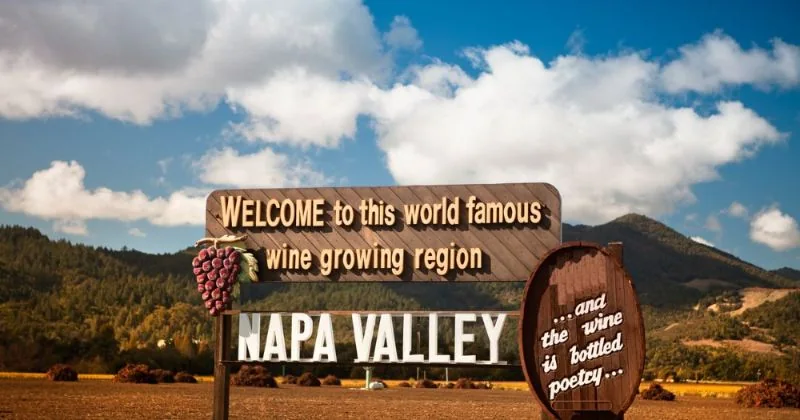
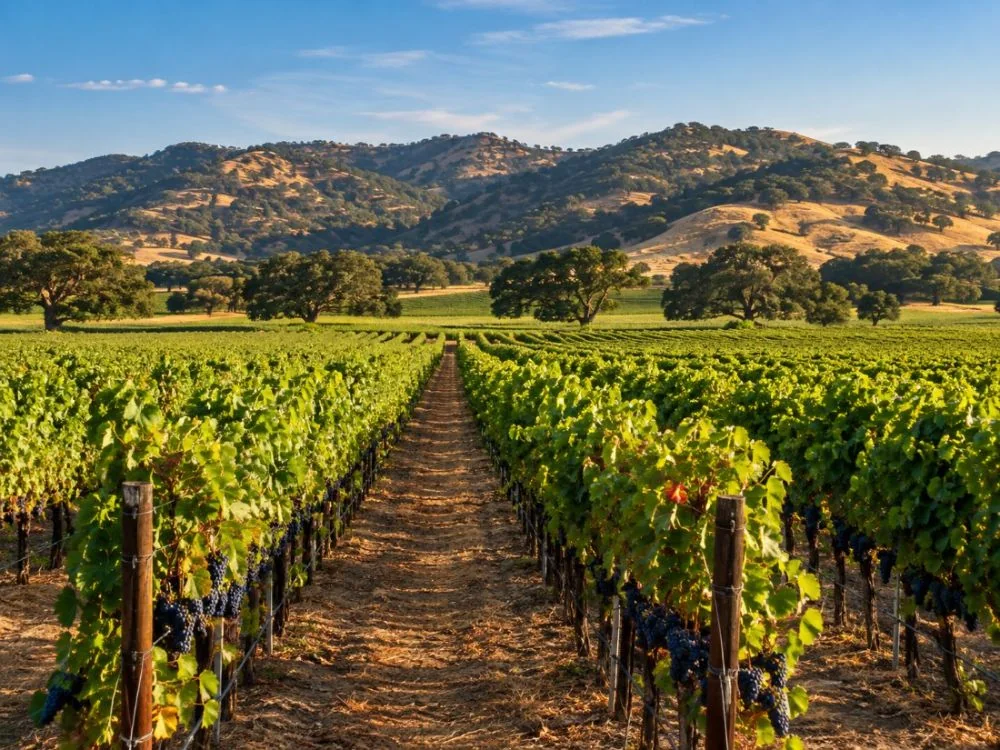
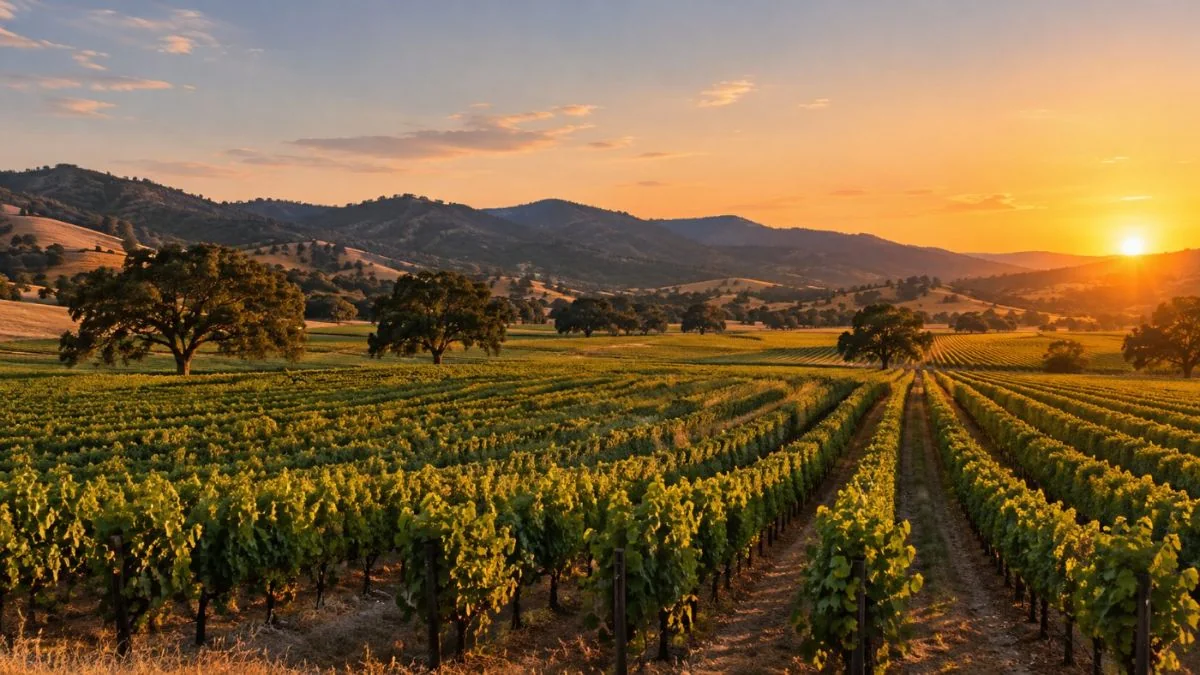
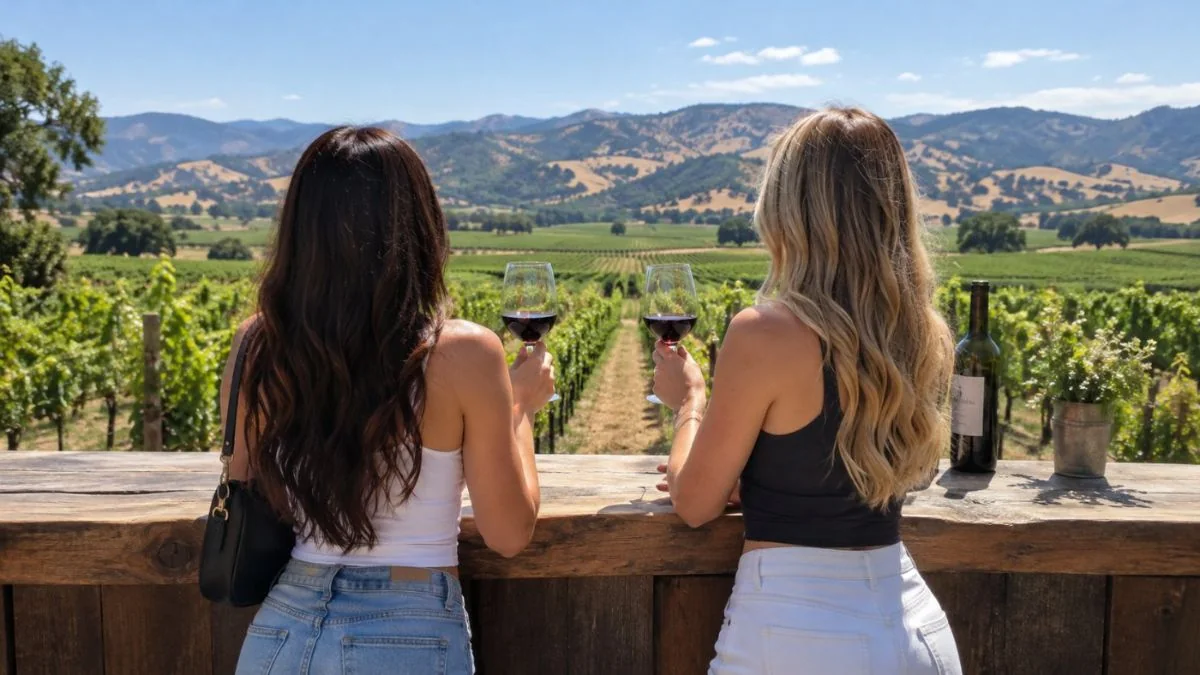
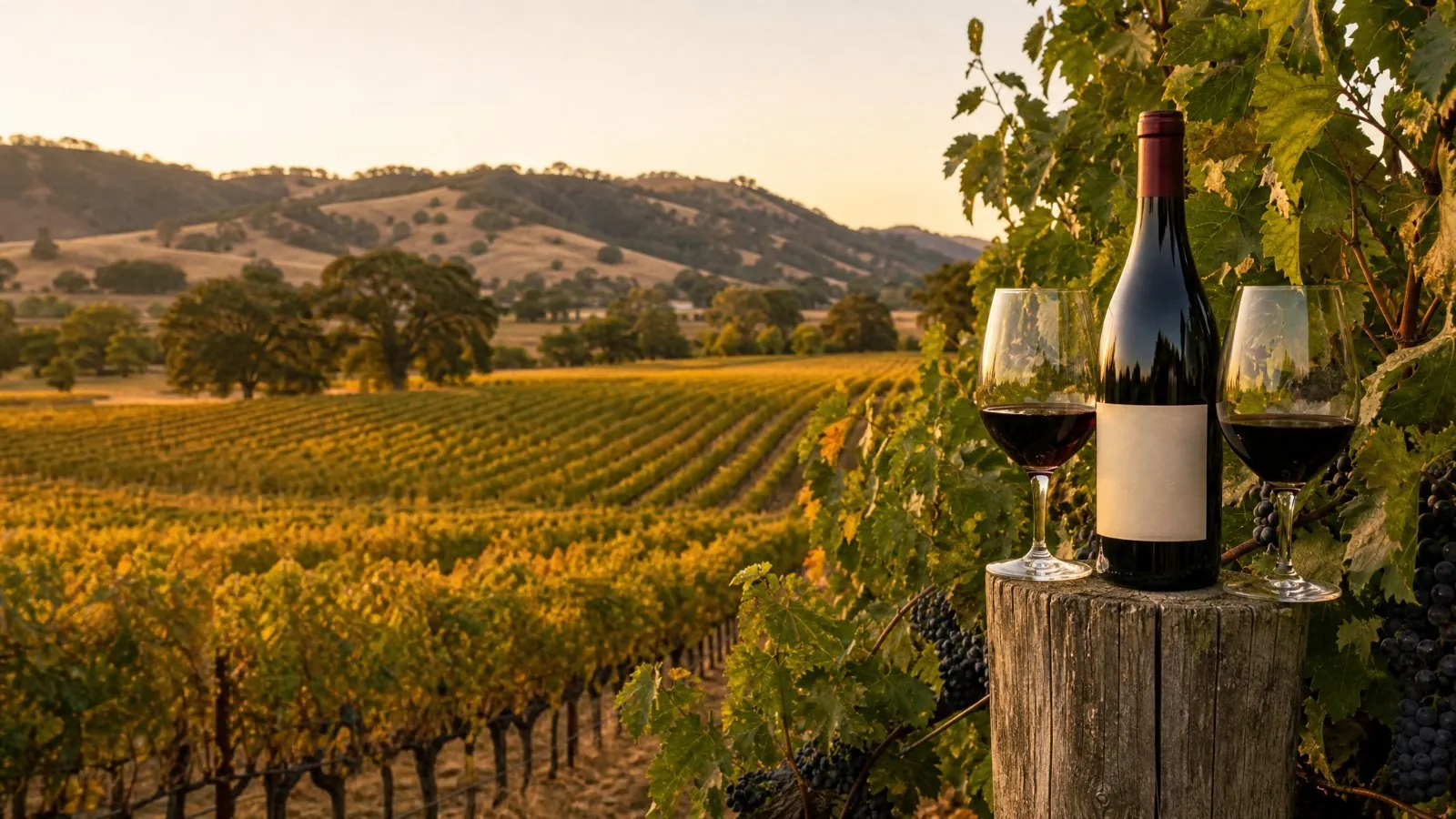
Thirty miles of vineyards north of San Francisco, home to California's first wine appellation and its most famous Cabernet.
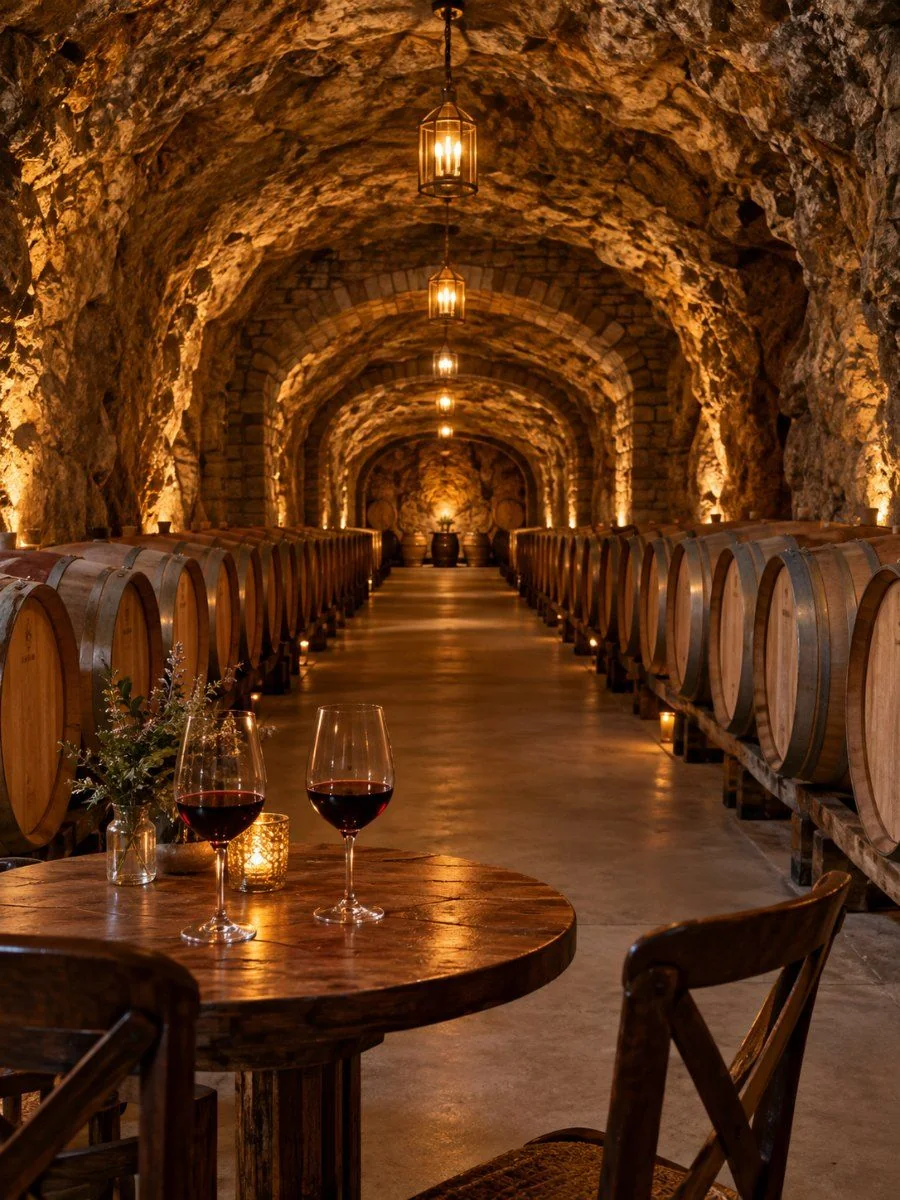
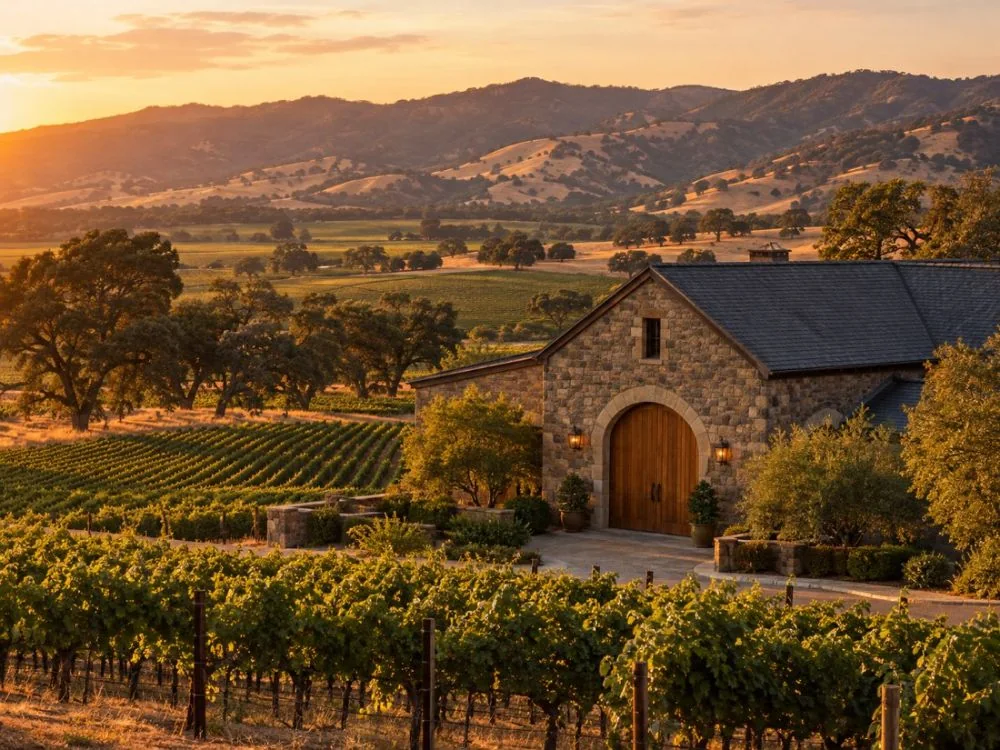
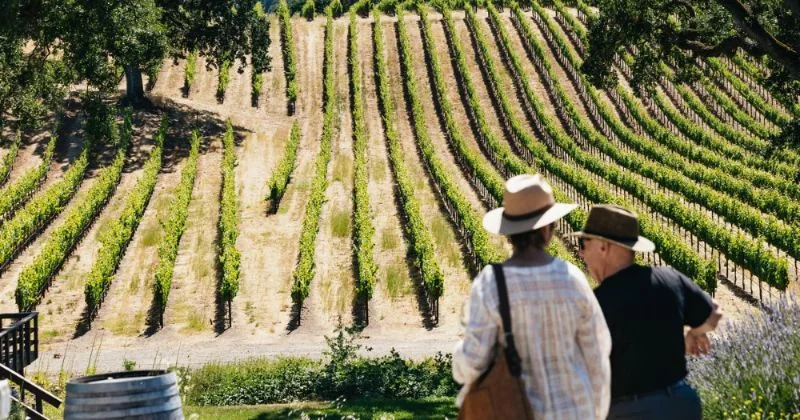
Taste in hand-dug barrel caves, picnic under the valley oaks and ride an open-air trolley between family wineries.
Where you really tasteThe winery area named for every tour
Tasting fees spelled outIncluded, or paid at the winery
Free cancellationUp to 24 hours before on most tours
Secure checkoutBooked on GetYourGuide
Tours
Choose your Napa wine tour
In the centre, the boutique-winery day that starts inside the valley. Either side, the open-air trolley
from downtown Napa and the most-booked day trip from San Francisco. Every card opens a full tour page.
A full day by coach from San Francisco with three tastings, fees included, and a stop on Sonoma Plaza. The wineries sit in Carneros and Sonoma, not up the Napa Valley floor.
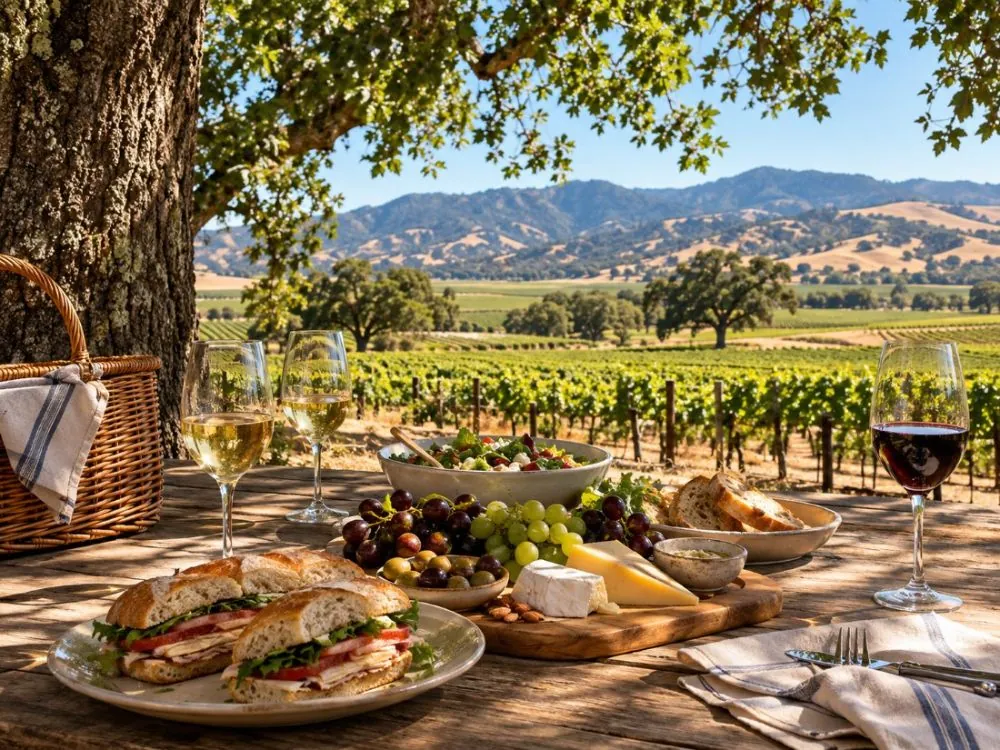
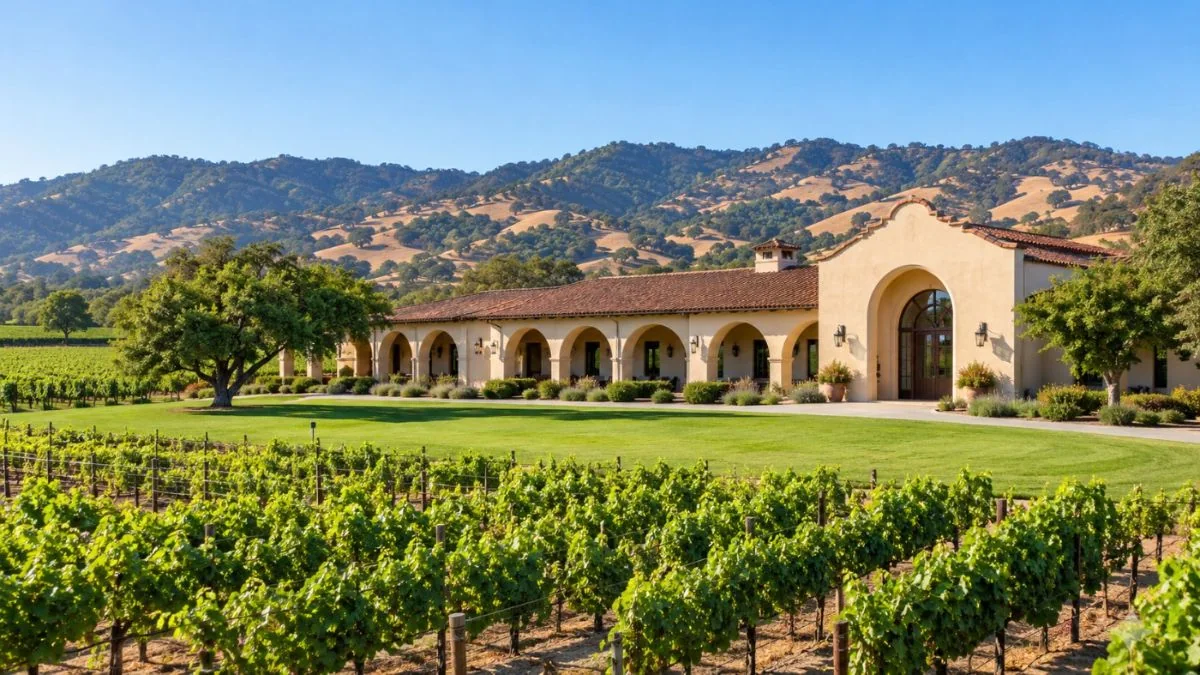
Three smaller family wineries picked by your guide, with a boxed picnic lunch at one of them. It starts inside the valley, so the day goes on tasting, not on the freeway.
What's included
Three boutique wineries chosen by the guide
Pickup in Napa, Yountville, St. Helena or Calistoga
Picnic boxed lunch and bottled water
Tasting fees: the listing says paid at each winery
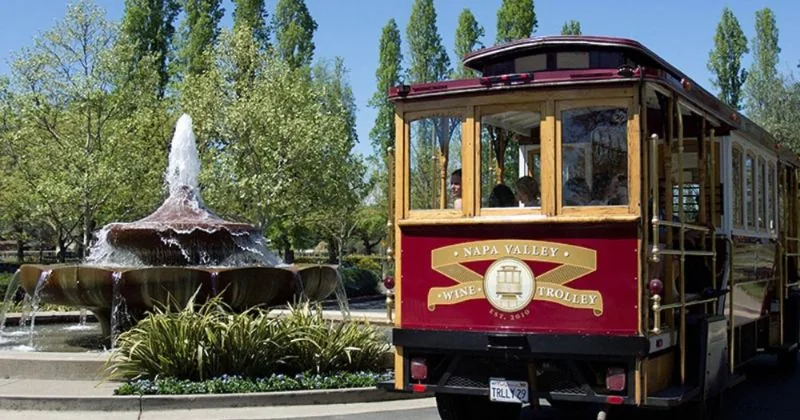
Ride a San Francisco-style open-air cable car between three Napa wineries, with lunch at one of them. It leaves Oxbow Public Market at 10 a.m. and brings you back there.
What's included
Three wineries by open-air trolley
Guide on board and bottled water
Lunch at a winery
Meets at Oxbow Public Market, 644 1st Street, Napa
Three questions sort it out. Are you starting in San Francisco or already in the valley? Do you want the
fees paid up front? And do the wineries need to be in Napa itself, or will Carneros and Sonoma do?
Tasting fees are included on the San Francisco group days and usually paid at the winery on the
tours that start in Napa. Free cancellation up to 24 hours before on every tour here, except the Wine Train (2 days).
Before you book
Fifty miles from the city, and many tours stop short.
Napa Valley is a strip of vines 30 miles long, running from the city of Napa up through Yountville, Oakville,
Rutherford and St. Helena to Calistoga. The famous names sit along that stretch. Below Napa lies Carneros, a cool,
breezy appellation that belongs half to Napa County and half to Sonoma.
That is where many San Francisco day tours spend their day. Read the winery lists: Cline, Jacuzzi and Roche are in
Sonoma County, Madonna and Artesa are Napa's Carneros edge, and only a few itineraries reach Oakville or
St. Helena. Nothing wrong with that, the wine is good and the drive is shorter. Just know what you are booking. If you
want the valley floor itself, start in Napa, or take a private car and name the wineries.
3
Wineries on almost every group tour. Visit Napa Valley advises two or
three a day, because a proper tasting takes 90 minutes. More than that is a blur, not a tour.
Valley floorCarnerosSonomaWine Train
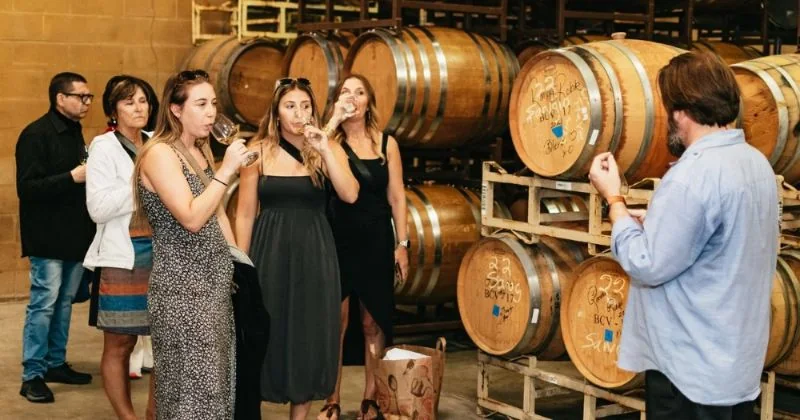
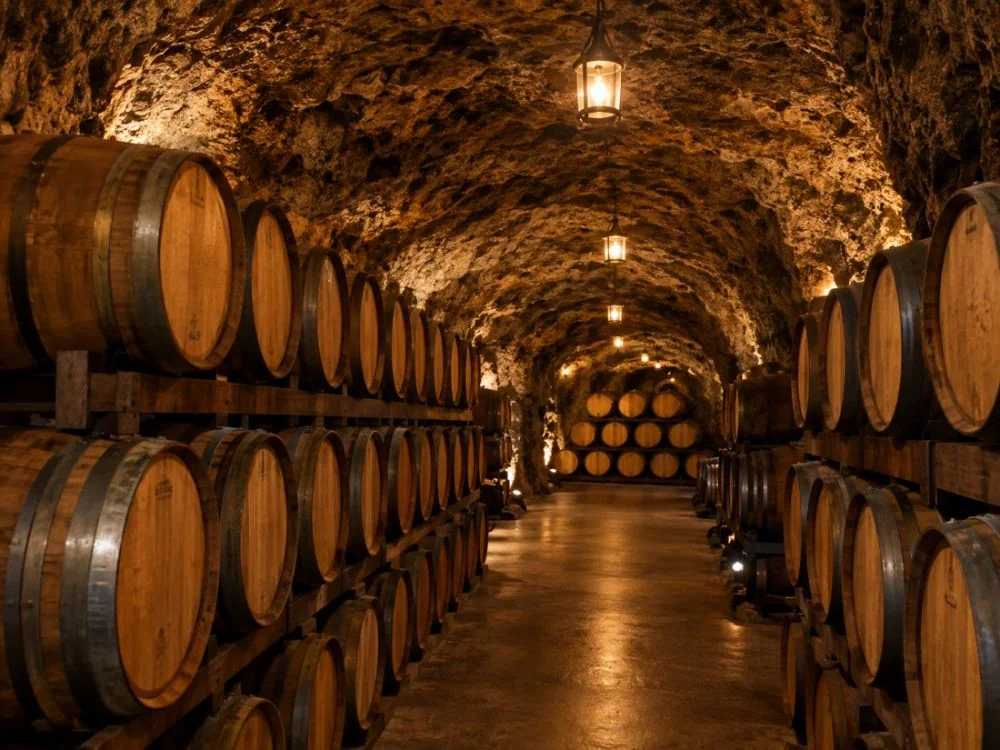
Many Napa wineries age their wine in caves dug into the hillsides, cool all year round.
01
Where does it taste?
Up-valley, in Carneros or in Sonoma. Each tour page names the area and the wineries listed.
02
Are fees included?
On the San Francisco group days, yes. On most tours starting in Napa, you pay at each winery.
03
How old to taste?
21, with photo ID. Some estates let no one under 21 on site at all, even without a glass.
04
Who should skip it?
Anyone who wants six wineries a day, or one cult Cabernet estate: book that one direct.
Your day
How a wine tour day runs
Six to seven hours from inside the valley, eight to nine from San Francisco. This is the shape of it.
01
Pickup
A hotel or a downtown corner in Napa, or Union Square and Fisherman's Wharf in the city. SF tours cross the Golden Gate on the way.
Up to 1.5 hours from SF
02
First winery
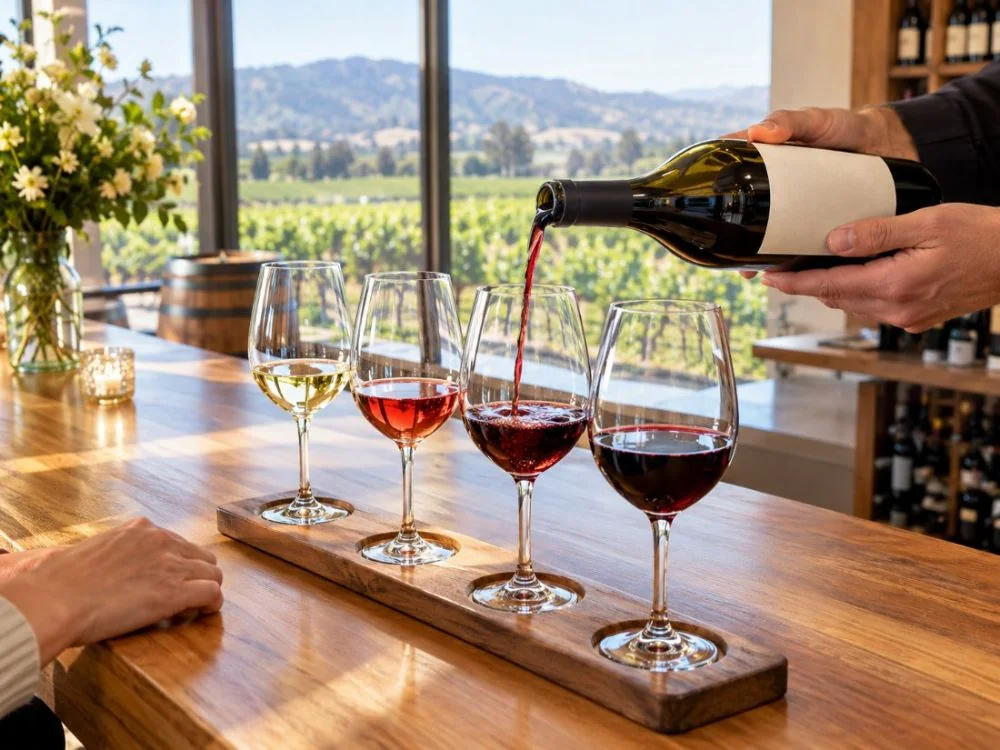
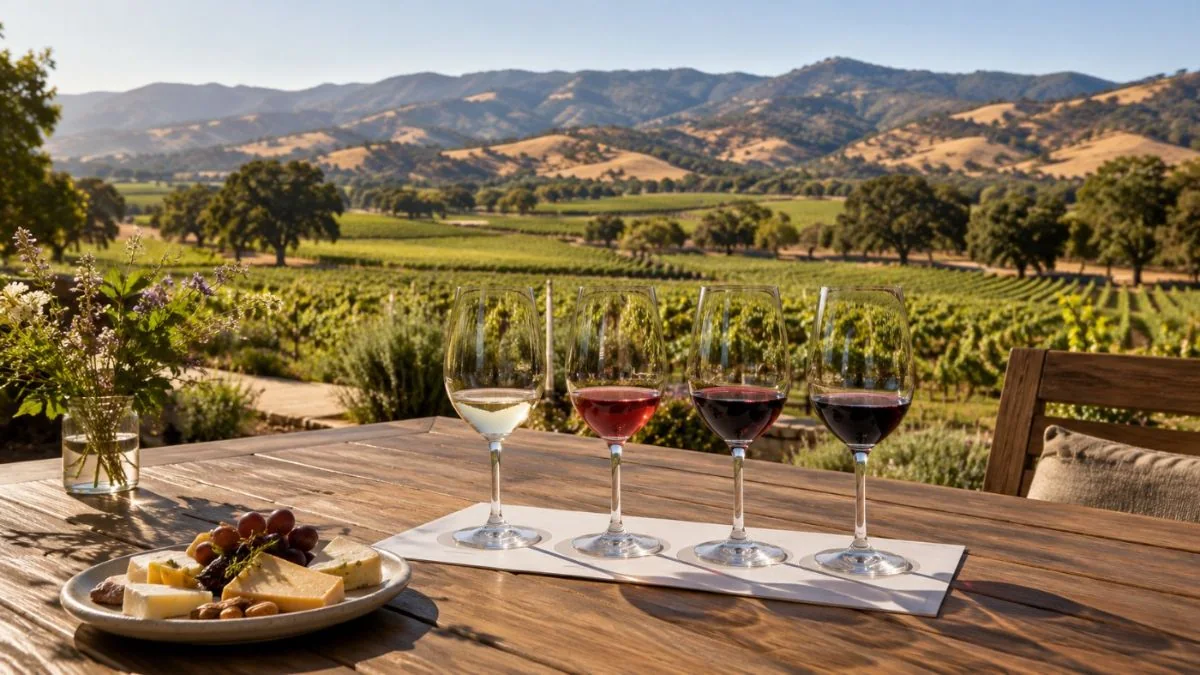
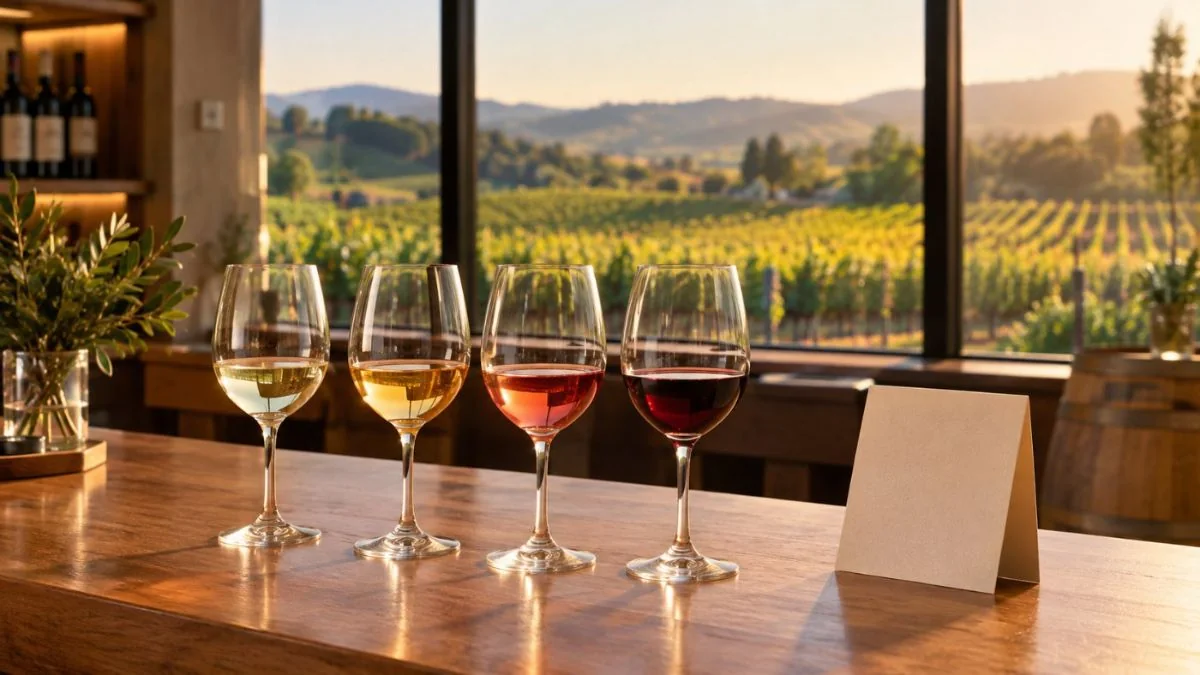
A walk through the cellar or the vines, then a flight of four or five wines. Spit if you like: nobody minds.
About an hour each
03
Lunch
A picnic at a winery on the Napa tours, or free time on Sonoma Plaza on most San Francisco days.
45 minutes to 2 hours
04
Two more tastings
Then the drive back, with time to buy a bottle at the last stop. SF tours are back around 5:30 p.m.
Seasons, what things cost, the rules on age and ID, and what to wear: one tab each.
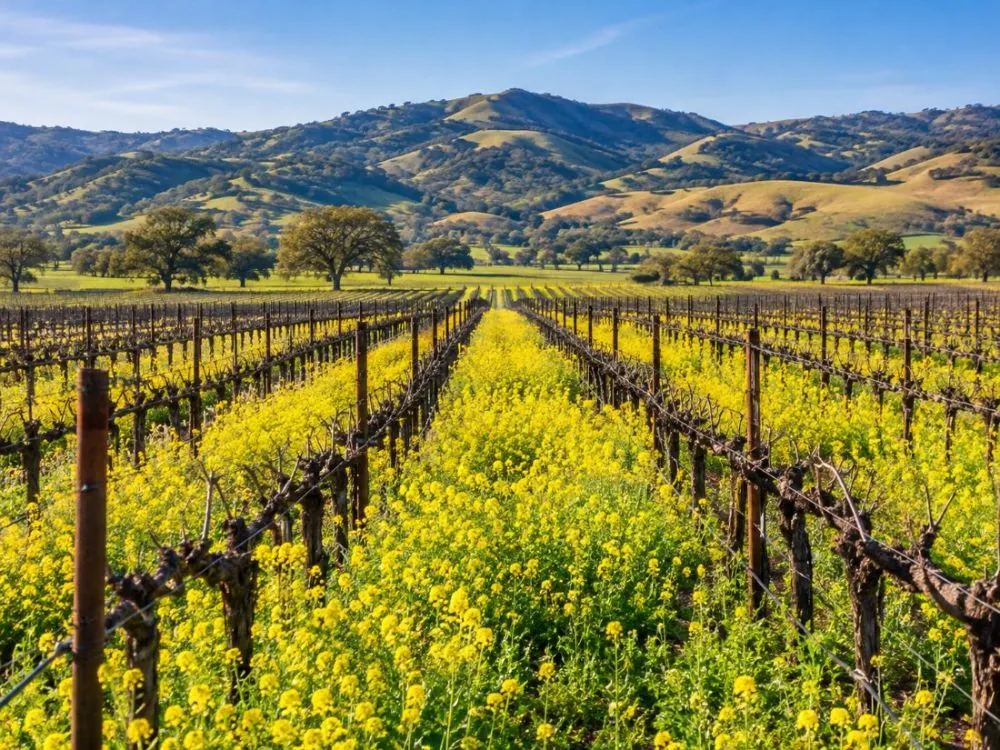
January to March: quiet tasting rooms, lower hotel rates, and yellow mustard between the vines, usually at its best in mid-February.
April to July: green vines and warm days; BottleRock fills Napa's hotels over Memorial Day weekend.
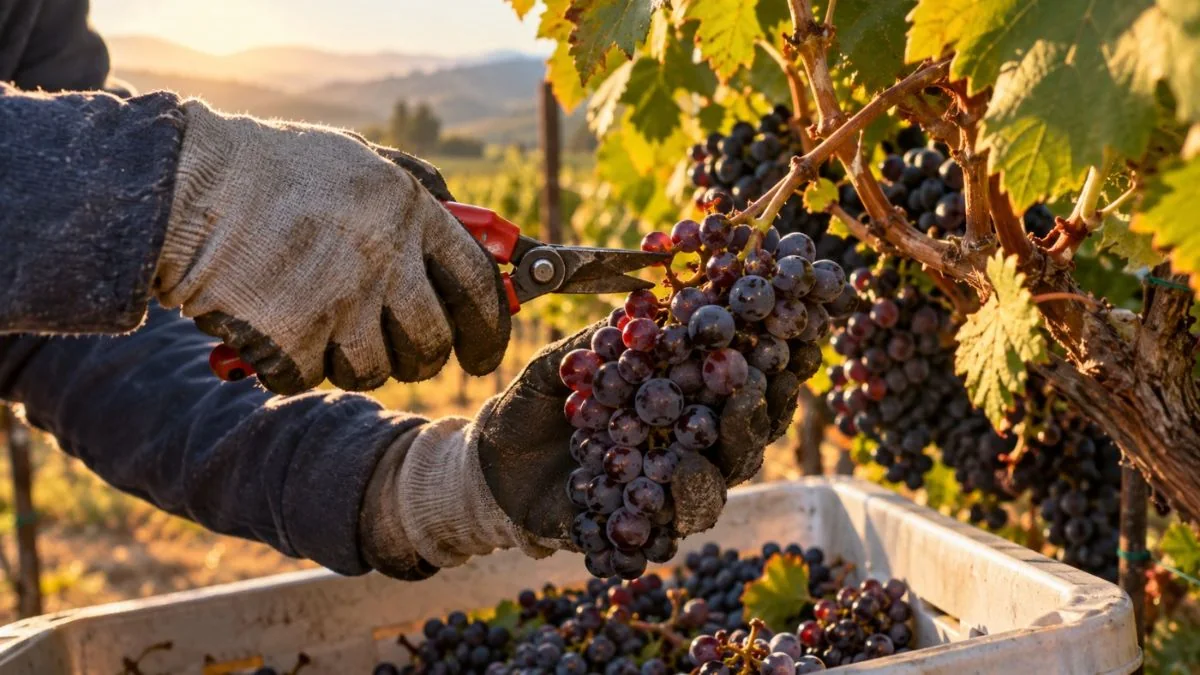
August to October: harvest. The busiest and dearest weeks, peaking in September.
November and December: autumn colour in the vines, smaller crowds, shorter days.
Group day tours from San Francisco: three tastings included in the ticket.
Tours starting in Napa: tasting fees are often paid at each winery on top.
Napa tastings: the highest average fees in the US in 2026, roughly double the national average.
Wine Train and private cars: the dearest options; a private car is priced per group of up to four.
The tasting age in California is 21. Bring a passport or photo ID: wineries check.
Several estates, Schramsberg and Chateau Montelena among them, admit no one under 21.
Most tours here are 21+. A few, like the premium small-group day, take younger guests with an adult, who simply don't taste.
You don't have to drink everything. Spitting into the bucket is normal, and so is sharing a flight.
"Wine country casual": jeans are fine all year.
Bring a layer. Caves and cellars stay cool, and mornings are often foggy.
Flat shoes for gravel paths and vineyard walks; skip heels.
Go light on perfume or cologne: it gets in the way of the wine. Full list in the first-timer's guide.
The valley30 miles longFrom Napa in the south to Calistoga in the north, 5 miles across at its widest.
Napa to Calistoga30 to 50 minQuicker in winter. The Silverado Trail beats the traffic on Highway 29.
From San FranciscoAbout 50 milesAn hour on a weekday, up to two hours on a summer weekend.
Per day2 or 3 wineriesVisit Napa Valley's own advice, and what every group tour here does.
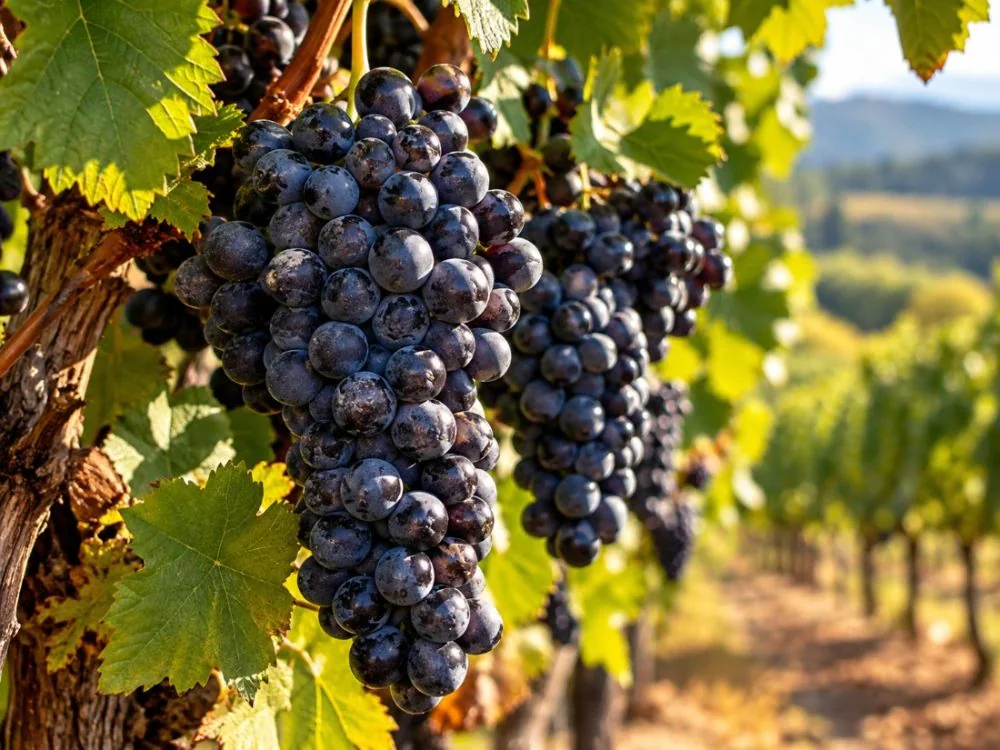
Grapes54% CabernetCabernet Sauvignon covers more than half of Napa's 47,000 acres of vines.
Refund24 hoursFree cancellation on every tour here, except the Wine Train (2 days).
Where it happens
Where the tours start
Downtown Napa, or the city
Napa: Oxbow Public Market, Main & 5th Street or your hotel. San Francisco: Union Square or Fisherman's Wharf.
Tours that start in the valley pick you up in Napa, Yountville, St. Helena or Calistoga, or meet in downtown Napa,
where the Wine Train station sits a short walk from Oxbow Public Market. San Francisco tours collect you in the
morning and cross the Golden Gate Bridge, so you spend two to three hours of the day on the road.
Only one day out of San Francisco and torn between trees and wine? This long day starts with an hour among the redwoods of Muir Woods (entry included), then pours a flight at one Napa winery and two family wineries in Sonoma.
Every Napa tour promises vineyards, three tastings and a lunch. They are not the same day.
Here is how to tell them apart before you pay.
The valley floor or the edges?
The valley people picture, with Cabernet on both sides of Highway 29 and the old stone wineries, runs from the city
of Napa north through Yountville, Oakville, Rutherford and St. Helena to Calistoga. It became California's first
American Viticultural Area in 1981 and now holds 17 smaller appellations inside it, from Stags Leap to Howell Mountain.
Carneros, at the south end, is different country: flatter, windier, cooled by San Pablo Bay and shared with Sonoma.
It grows Chardonnay, Pinot Noir and sparkling wine better than Cabernet. Because it sits on the road from San
Francisco, it is where many city day tours do their tasting. If the itinerary says Artesa, Madonna, Jacuzzi or Cline,
that is Carneros or Sonoma, not mid-valley Napa.
Carneros, on the road in from San Francisco, is where many day tours do their tasting.
Who pays the tasting fees
Napa tastings are not cheap. A spring 2026 survey of about 450 wineries put Napa's average standard and reserve
tasting fees at the top of the country, roughly double the national averages. On a three-winery day that can cost more than the tour.
The San Francisco coach days include the fees in the ticket. Most tours that start in Napa do not, and the listings
are not always clear: the picnic tour lists tasting fees as included in one place and paid at the winery in another.
Assume you pay, and enjoy the surprise if you don't. Some wineries waive the fee if you buy a bottle, but only some.
The honest small print: a cheaper tour that leaves the fees out can cost more by the end of the day
than a dearer one that includes them. Add three tastings to the price before you compare. Each of our
tour pages says which way it works.
Coach, trolley, train or bike?
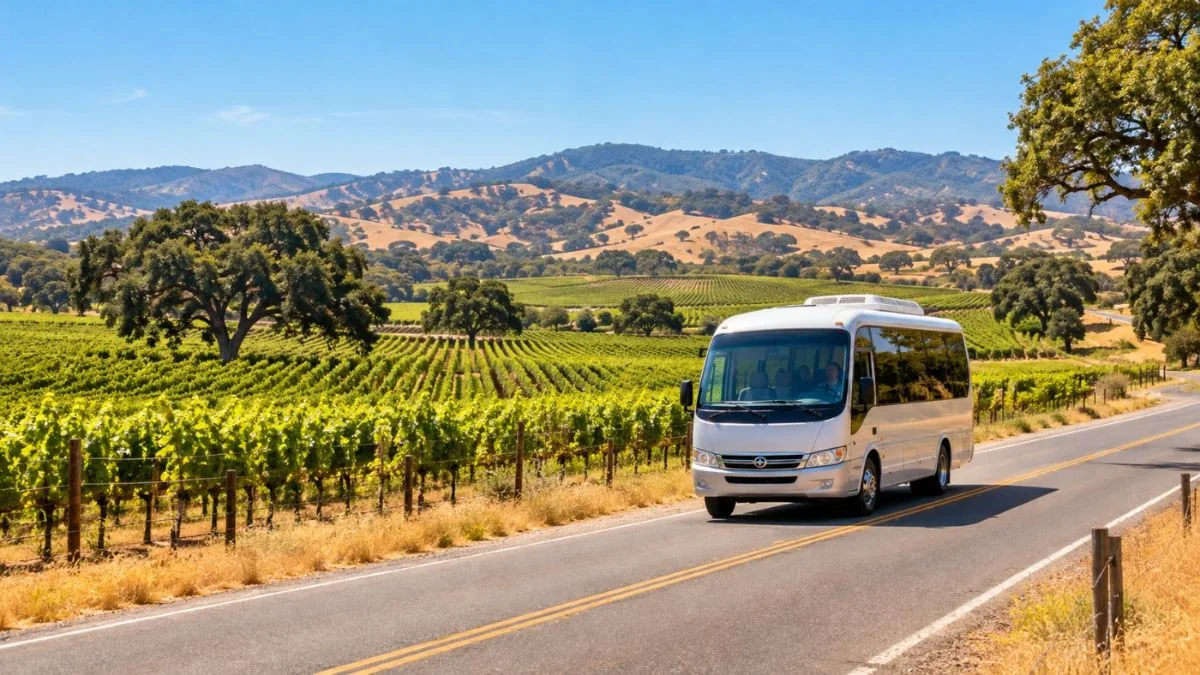
A coach or minibus is the efficient choice from the city. The open-air trolley is the social one, a replica cable car
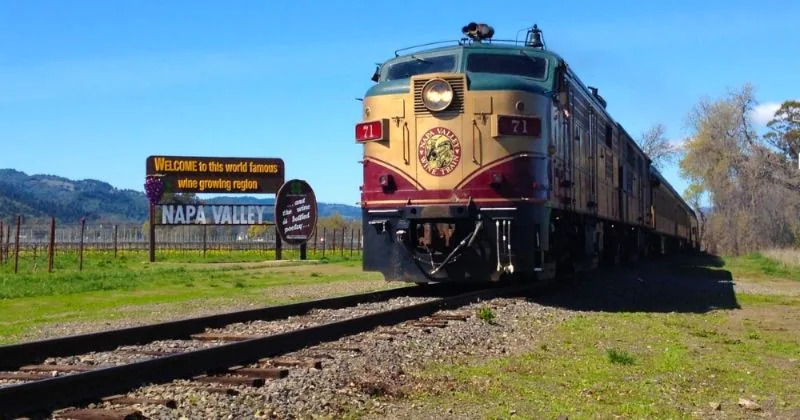
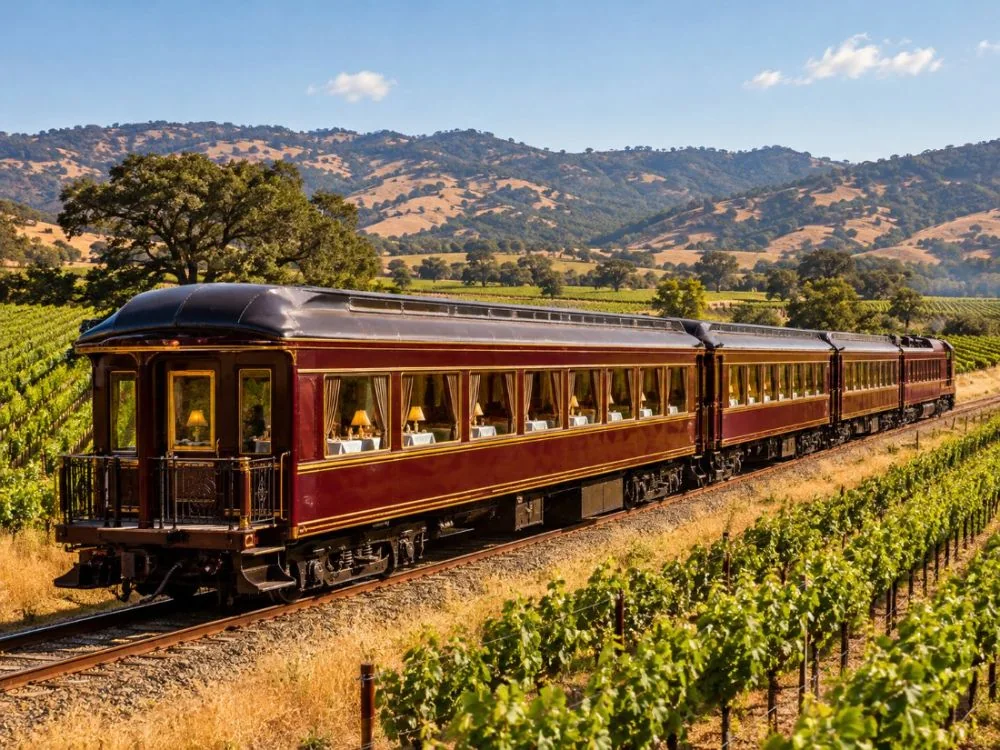
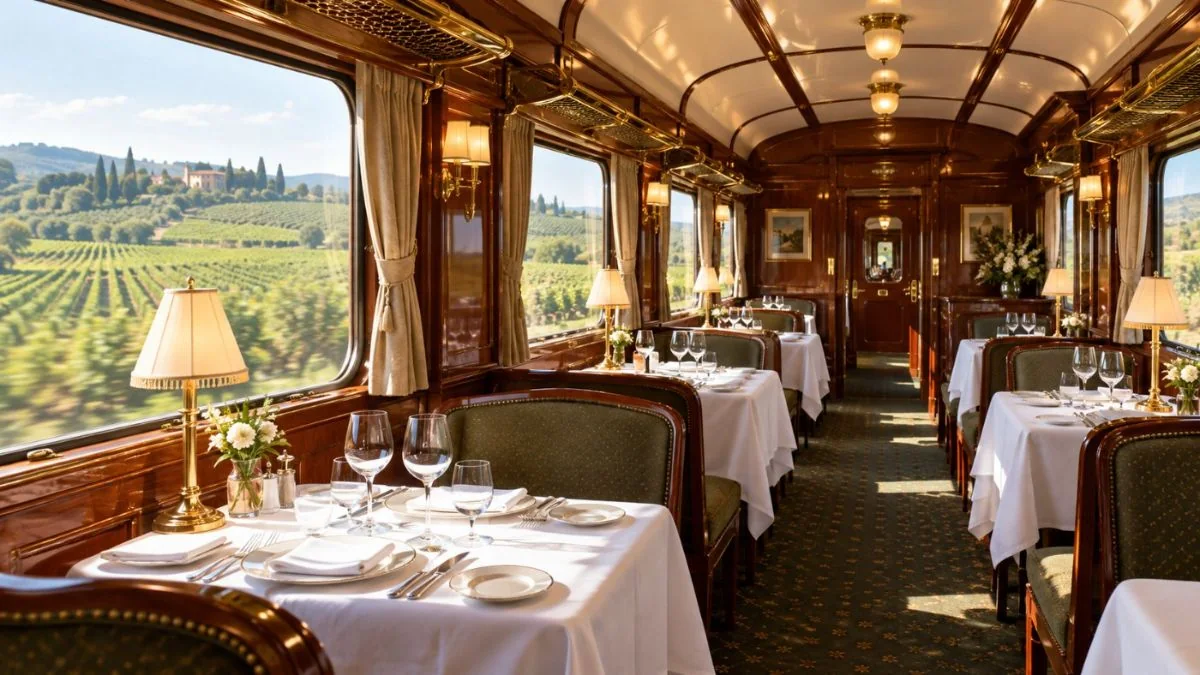
that trundles between three wineries north of Napa. The Wine Train is a three-hour lunch on restored 1910s-style
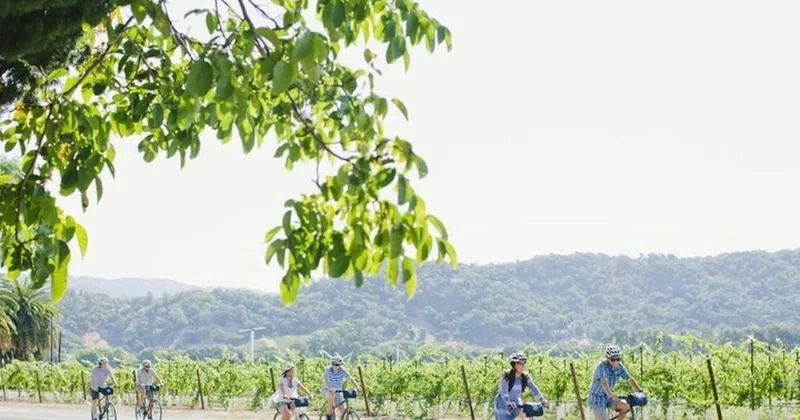
carriages, running 36 miles to St. Helena and back, and its Gourmet Express stops at no winery at all. An e-bike tour
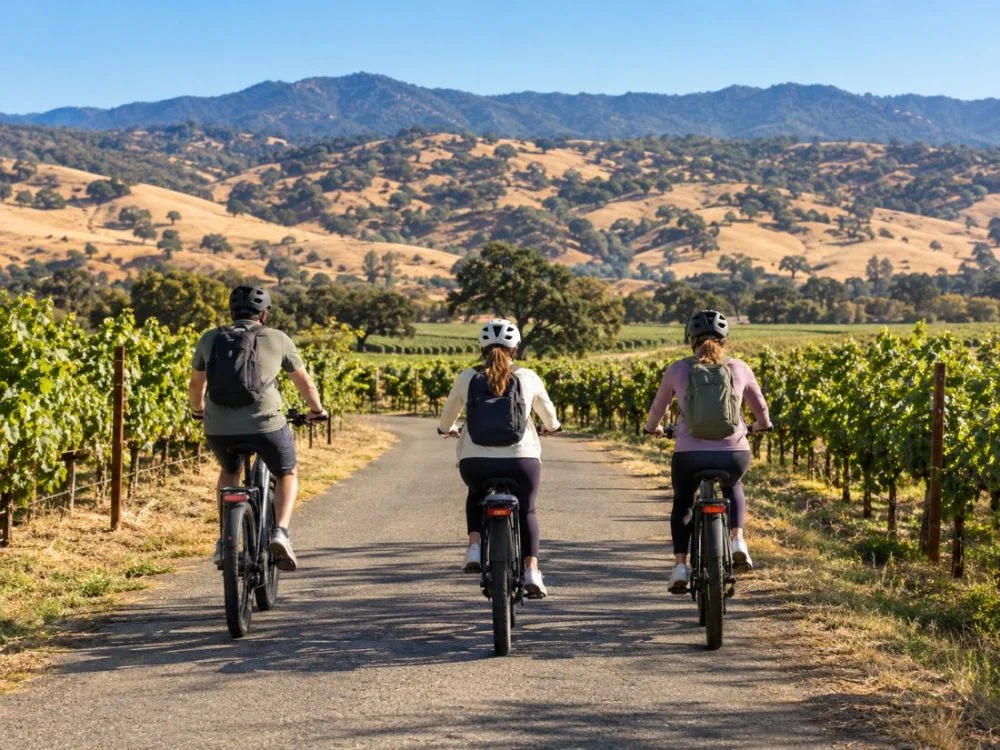
from Yountville gets you closest to the vines, at a pace where one or two wineries is plenty.
Barrel caves keep the wine at a steady cool temperature. Bring a layer even in July.
Timing it
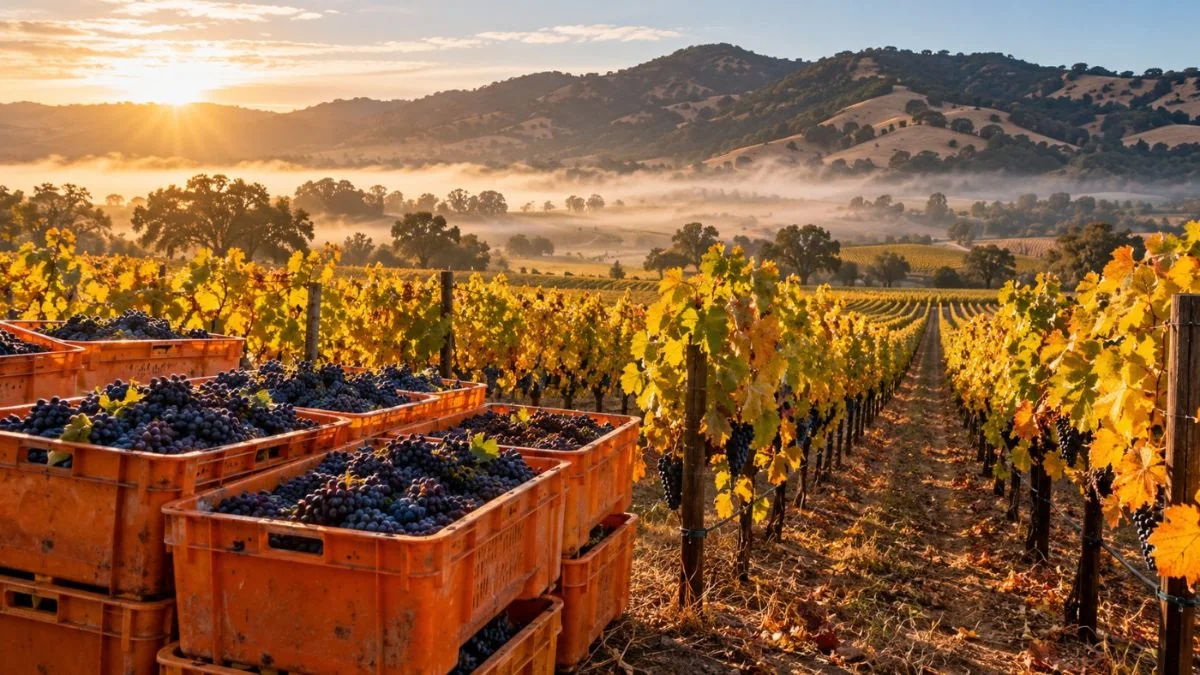
Harvest, from August to October, is when the valley smells of fermenting grapes and every weekend is full. Winter
is the insider's season: from January to March, wild mustard flowers between the bare vines, tasting rooms are
quiet and hotel rates drop. Whatever the month, go on a weekday if you can, start with the first tasting slot, and
leave the fourth winery for another trip.
Mustard season, roughly January to March, is the quietest and cheapest time to taste.
Straight answers to what people ask most about Napa Valley wine tours.
How much does a wine tour in Napa cost?
Group day tours from San Francisco are the budget option, and their ticket includes three tastings. Tours that start inside the valley cost about the same per person, but the tasting fees are often extra, and Napa has the highest average tasting fees in the US. A private car from San Francisco is priced per group of up to four. The full breakdown is in the price guide.
What is the best wine tour in Napa Valley?
For the valley itself, the guided tour with picnic lunch: three boutique wineries, a picnic and pickup anywhere from Napa to Calistoga. Coming from San Francisco without a car, the Napa & Sonoma coach day includes the fees. Want to choose the wineries? Go private.
Can you just walk into wineries in Napa?
At some. V. Sattui, Peju, Sutter Home, Chateau Montelena and Sterling say on their own sites that walk-ins are welcome, and Grgich Hills often can fit you in. Many others are by appointment only, sometimes because of their county permit, often because of demand. Schramsberg, Castello di Amorosa and Domaine Carneros need a reservation.
How many wineries should you visit in a day in Napa?
Two or three. Visit Napa Valley says so plainly, because most tastings run 90 minutes or more. Every group tour on this site stops at three, which is the sensible ceiling. More detail in Napa wineries for first-timers.
What is the best month to visit Napa?
September and October for harvest, with the crowds and hotel prices to match. For quiet tasting rooms and lower rates, go from January to March, when wild mustard flowers between the vines and the valley calls it Cabernet Season. See the best time to visit Napa.
Is the Napa Valley Wine Train worth it?
Yes, if you want a long, lazy lunch on a vintage train. No, if you want to visit wineries: the Gourmet Express makes no winery stops at all. Only the dearer Legacy and Grgich Hills packages get off the train. Our Wine Train guide compares them.
Is it better to go to Napa or Sonoma?
Napa for the famous Cabernet estates and polished tasting rooms, Sonoma for markedly lower tasting fees and more walk-in rooms. The two towns are only 14 miles apart, and most San Francisco day tours do a bit of both. Read Napa or Sonoma.
Can I wear jeans to Napa wineries?
Yes. The dress code is "wine country casual", and jeans are fine all year. Bring a layer, because barrel caves and cellars are cool even in summer, and wear flat shoes for gravel paths and vineyard walks.
How much do you tip at a wine tasting in Napa?
Visit Napa Valley suggests a modest tip per couple at every tasting, a little more for a seated tasting and more again for a private or VIP tasting, even if you buy wine. For a tour guide, one operator here recommends 15 to 20% of the tour price.
How far is Napa from San Francisco?
About 50 miles to downtown Napa: an hour by car on a weekday, up to two hours on a summer weekend. Without a car, take the SF Bay Ferry to Vallejo and the VINE bus on, or join a tour with pickup in the city.
Can you Uber between wineries in Napa?
You can, and Uber and Lyft both work in the valley. Drivers thin out up-valley in the evening, though, so book a ride back from St. Helena or Calistoga before dinner, or take a tour and skip the problem.
Ready to book
Pick your wineries, pick your day.
Pickup included on most tours, and free cancellation up to 24 hours before.
 Classic day trip
8 to 9 hoursFree cancellation
Classic day trip
8 to 9 hoursFree cancellation